
Cracked teeth can cause sharp pain, sensitivity, and discomfort that disrupts your daily life, and without timely care, the damage can progress to infection within the tooth’s pulp. At EndoCare Dental Specialists, Dr. Sam Ramadan uses surgical microscopes and 3D cone beam imaging to accurately identify the type and extent of each crack. Early diagnosis is essential, and Dr. Ramadan works closely with your general dentist to determine the most effective treatment plan for preserving your tooth.
EndoCare Dental Specialists provides treatment of cracked teeth in Branford, CT. Call 203-208-4406 to learn more and schedule an appointment.
Symptoms
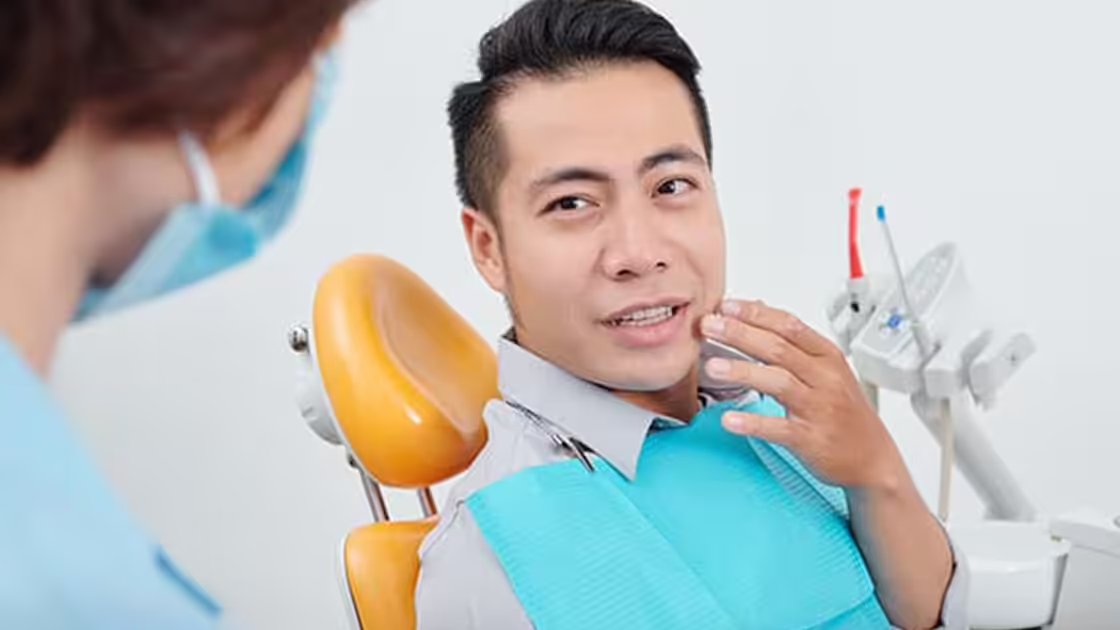
The signs of a cracked tooth can vary widely and may include discomfort when biting or chewing, sharp reactions to hot or cold foods and beverages, tenderness when releasing a bite, or a mix of these symptoms. Since the pain frequently appears and disappears without a clear pattern, many patients find it frustrating to identify the underlying cause. Dr. Ramadan uses specialized diagnostic tools and magnification to detect cracks that might otherwise go unnoticed.
Early Detection
Pinpointing the exact source of tooth pain can be challenging, which is why your general dentist may refer you to an endodontic specialist like Dr. Ramadan. At EndoCare Dental Specialists, we rely on Global Surgical Microscopes, 3D Cone Beam imaging, and other advanced diagnostic instruments to locate and evaluate cracks that may not be visible with standard dental equipment.
If a cracked tooth goes untreated, biting and chewing can cause the fracture segments to shift, irritating the delicate pulp tissue inside the tooth and producing significant discomfort. When pressure is released, the crack snaps shut, often triggering a sharp jolt of pain. Over time, this repeated cycle damages the pulp beyond repair, leading to persistent pain and the potential for infection that may spread to the surrounding bone and gum tissue. Seeking prompt endodontic treatment is the best way to protect your tooth and avoid further complications.
Crack Classifications and Treatment Options
Craze Lines
Tiny, superficial surface cracks called craze lines are extremely prevalent and generally do not necessitate any treatment. These fine lines affect only the outer enamel layer and typically produce no pain, sensitivity, or structural compromise. Dr. Ramadan may note them during an examination, but unless they present a cosmetic concern, they are considered harmless and can simply be monitored.
Fractured Cusp
A fractured cusp represents another type of cracked tooth that may not produce noticeable pain. In this scenario, one of the raised points on the tooth's chewing surface develops a crack that can eventually cause that piece to separate from the remaining structure. Even without discomfort, Dr. Ramadan recommends having the tooth evaluated promptly. The damaged portion may need to be addressed to stop the crack from progressing further. If the fracture remains limited to the outer tooth structure and does not reach the pulp inside, root canal treatment is typically not required.
Cracked Tooth
When a crack runs vertically from the chewing surface down toward the root of the tooth, root canal treatment is typically necessary to alleviate pain, address or prevent infection, and preserve the natural tooth. Dr. Ramadan uses advanced diagnostic technology to assess the extent of the fracture and deliver precise treatment. Once the endodontic procedure is complete, your referring dentist can place a crown or restoration to protect the tooth and restore its normal shape and function.
Fractures Extending Below the Gumline
In cases where a vertical crack has progressed deep into the root structure and beneath the gumline, the tooth may unfortunately be beyond the scope of root canal treatment and could require extraction. Dr. Ramadan will thoroughly assess the extent of the fracture to determine whether the tooth can be saved.